
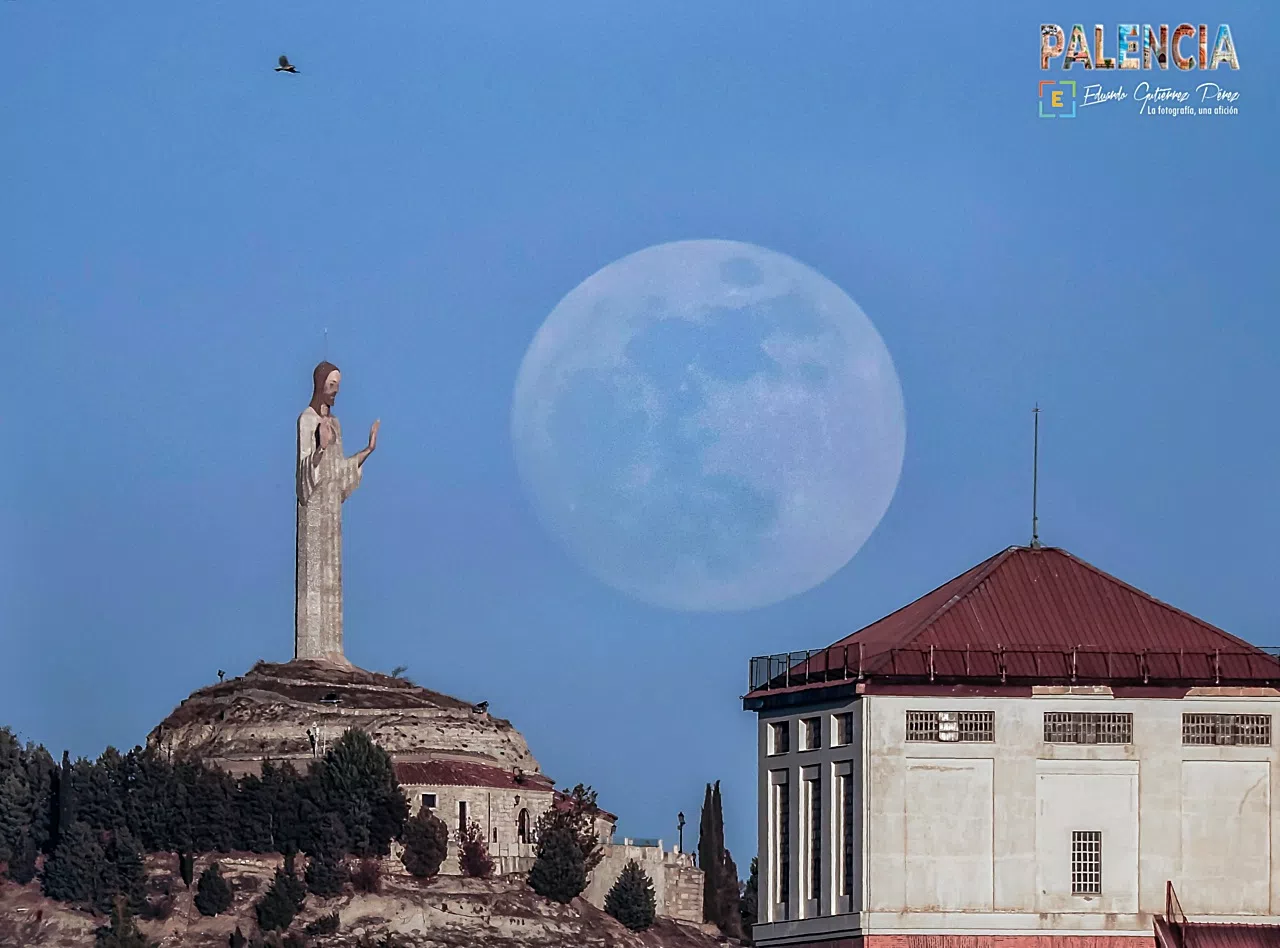
Variety of constructions in Palencia
Palencia, both in its capital and province, boasts a wide variety of unique buildings that reflect its rich history and architectural diversity. Here are some of the most notable:
In the city of Palencia:
Cristo del Otero: Undoubtedly, the most emblematic symbol of Palencia. It is an imposing sculpture of Jesus, the second tallest in the world, created by the Palencian sculptor Victorio Macho. It stands on a hill on the outskirts of the city, offering panoramic views.
Catedral de San Antolín (The Beautiful Unknown): This majestic Gothic cathedral is one of the largest in Spain and houses elements from different styles, from Visigothic to Renaissance. Highlights include its crypt of San Antolín, the main altarpiece, and artworks by El Greco, Berruguete, and Zurbarán.
Modernist Buildings on Calle Mayor: Calle Mayor in Palencia features several examples of modernist architecture, such as the Villandrando School, the Arroyo and Gallego Building (which houses the Tourist Office), and the García Germán Building.
Provincial Palace of the Diputación: Inaugurated in 1914, it is considered a masterpiece by Jerónimo Arroyo and a notable example of modernist architecture.
Post and Telegraph Building: Of neo-Plateresque style, built in the early 20th century, it is another unique building in Plaza de León.
Church of San Miguel: A surprising temple on the banks of the Carrión River, with a large tower that gives it the appearance of a medieval fortress. Legend says that El Cid was married here.
Puente Mayor: An architectural work of great historical and cultural relevance. Built in the 16th century and renovated in the 19th, this stone bridge, with ten arches, spans the Carrión River.
Canal de Castilla Dock: The dock and locks are important remnants of the Canal de Castilla in the city, an impressive 18th-century engineering work.
In the province of Palencia (Romanesque Palencia):
The province of Palencia is especially known for its vast Romanesque heritage, considered one of the most important in Europe. Some of the most unique buildings include:
Monastery of Santa María la Real (Aguilar de Campoo): A fascinating testament to the cultural heritage of the region, with an imposing appearance and a rich and complex history.
Church of San Martín de Frómista: One of the most perfect and well-known Romanesque churches in Europe, a must-stop on the Camino de Santiago.
Monastery of San Zoilo (Carrión de los Condes): An ancient Cluniac monastery, also part of the Camino de Santiago.
Church of San Juan Bautista (Moarves de Ojeda): Notable for its impressive south façade, one of the most remarkable works of rural Romanesque.
Monastery of Santa María de Mave: Another significant example of Romanesque Palencia.
San Salvador de Cantamuda: A collegiate church with a belfry considered one of the most beautiful of the Romanesque style.
Other unique buildings and complexes in the province:
Castle of Ampudia: One of the best-preserved castles in the province, reflecting the history and spirituality of the region.
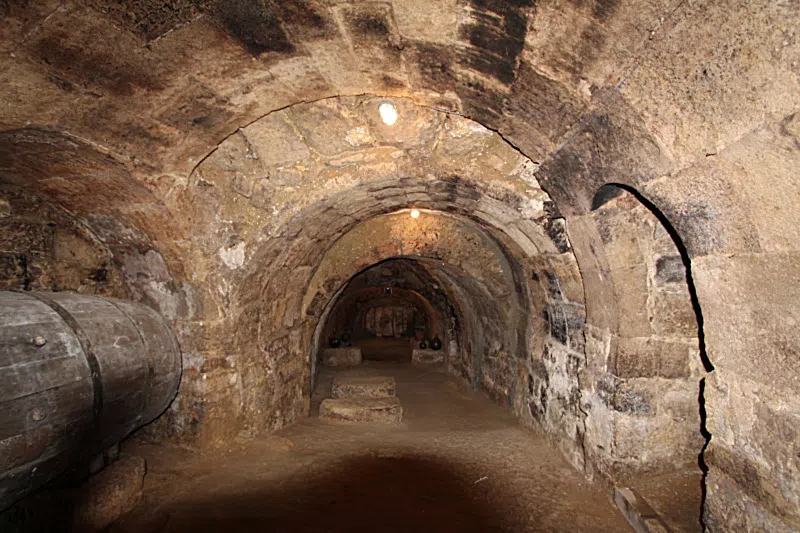
Underground Passages of Astudillo: Notable for their unique hypogean architecture, a labyrinthine network of galleries that may have been castle passages and later used as cellars.
Dovecotes in Tierra de Campos: Distinctive elements of the Tierra de Campos landscape, many of them unique adobe and rammed earth constructions.
Adobe and Rammed Earth Houses (Popular Architecture): Found in villages of Tierra de Campos such as Amusco, Frechilla, Fuentes de Nava, Mazariegos, etc., they reflect the traditional architecture of the area.
This list is just a glimpse of the architectural richness of Palencia, offering a fascinating journey through different styles and eras.
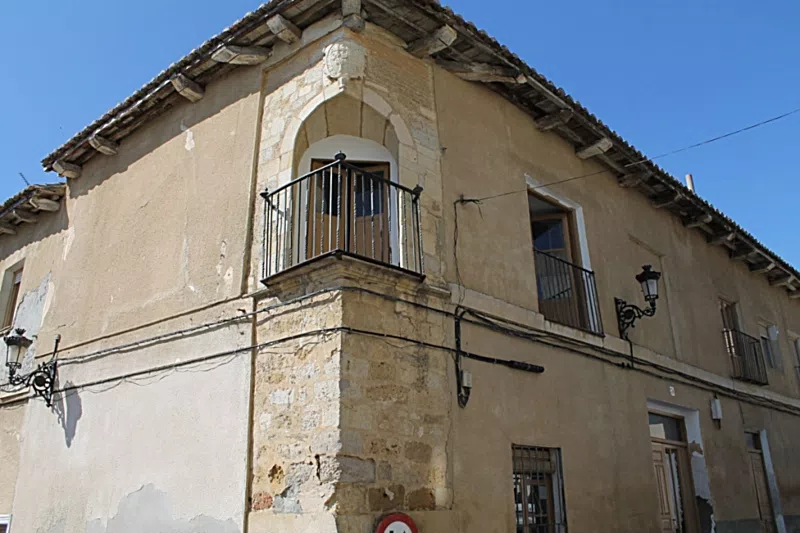
Palacios
- House of the Lomano
- Gutierrez de Mier Palace House
- Velasco Palace
- House of the Girón in Carrión de los Condes
- House of the Corner Balcony
- Grand House of Carrión
- Palencia Provincial Council Palace
- Aguado Pardo Palace
- Manrique Palace
- Villalobos Palace
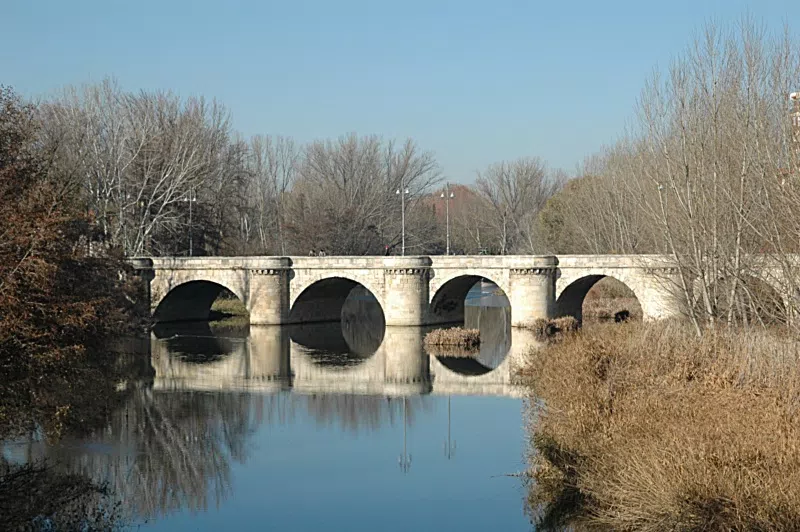
Bridges
- Roman Bridge of Puentetoma
- Roman Bridge of Rojadillo
- Major Bridge of Palencia
- Iron Bridge of Palencia
- Puentecillas Bridge
- Bridge of Torquemada
- Bridge of the Partridge
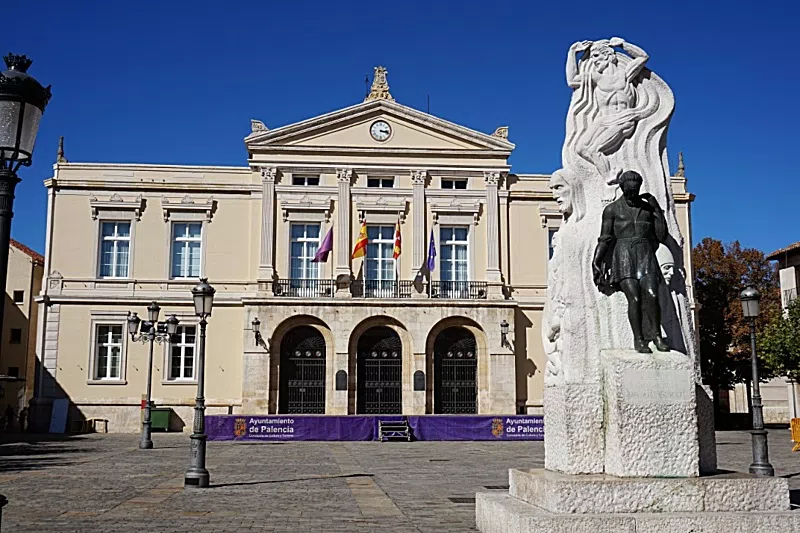
Houses
- House of the Lions in Cervera de Pisuerga
- Twisted House of Saldaña
- Manor Houses and Noble Towers
- House of the Velarde
- House of the Seven Lineages
- House of Marcos Gutierrez
- Town Hall of Palencia
- Fortified House on Monte El Viejo
Castles
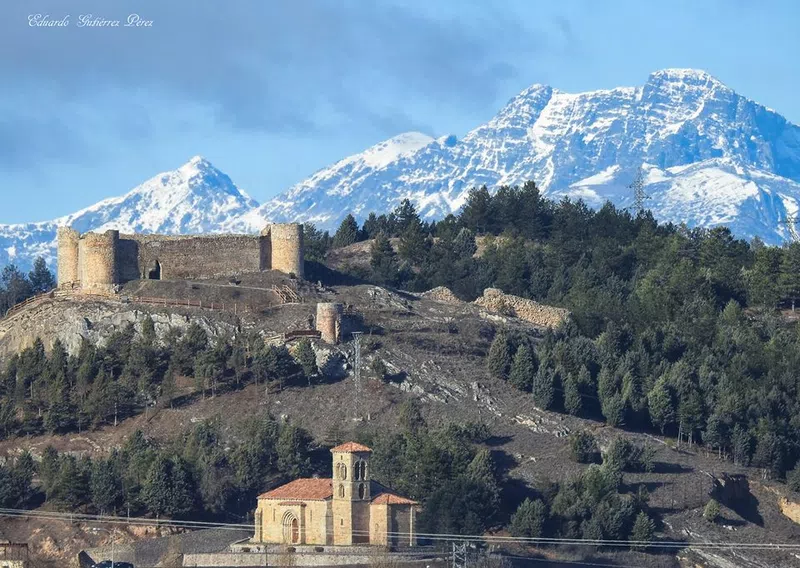
- Castle of the Counts of Aguilar
- Castle of Paradilla del Alcor
- Castle of Las Cabañas de Castilla
- Castle of Hornillos de Cerrato
- Castle of Belmonte de Campos
- Castle of Torremormojón
- Castle of La Mota in Astudillo
- Castle of Monzón
- Castle of Los Sarmiento in Fuentes de Valdepero
- Castle of Los Fontaneda in Ampudia
Singular Constructions
- Passages of Astudillo
- Walls of Astudillo
- Christ of the Otero
- Mudejar Tower in Cervatos de la Cueza
- La Reana Fountain in Velilla del Río Carrión
- Obelisk of Pino del Rio
- Casino Building of Palencia
- Stone Road
- Facade of Villandrando School
- Hospital of Santo Tomás
- Palencia Market Hall
- Granary of Saldaña
- Walls of Támara de Campos
- Main Theater of Palencia
- Tower of Villanueva de la Torre
- Dovecote of Belmonte de Campos
- Shepherd's Huts in Antigüedad
Wineries
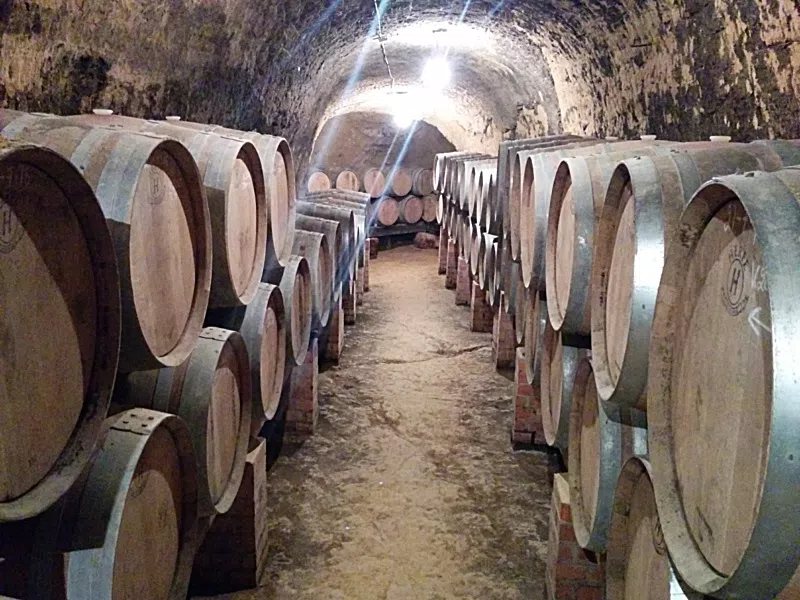
- Torquemada
- Astudillo
- Venta de Baños
- Palenzuela
- Dueñas
- Castrillo de Don Juan
- Frómista
- Baltanás
- Tariego de Cerrato
- Autilla del Pino
Excavations
- La Velilla in Osorno
- Monte Cildá
- La Huelga
- Castro de La Loma
- Monte Bernorio
- Camino de Las Ánimas
- Intercatia
- Dessobriga
- Cueva de Guantes
- Picón de Castrillo
- Huerta Varona