
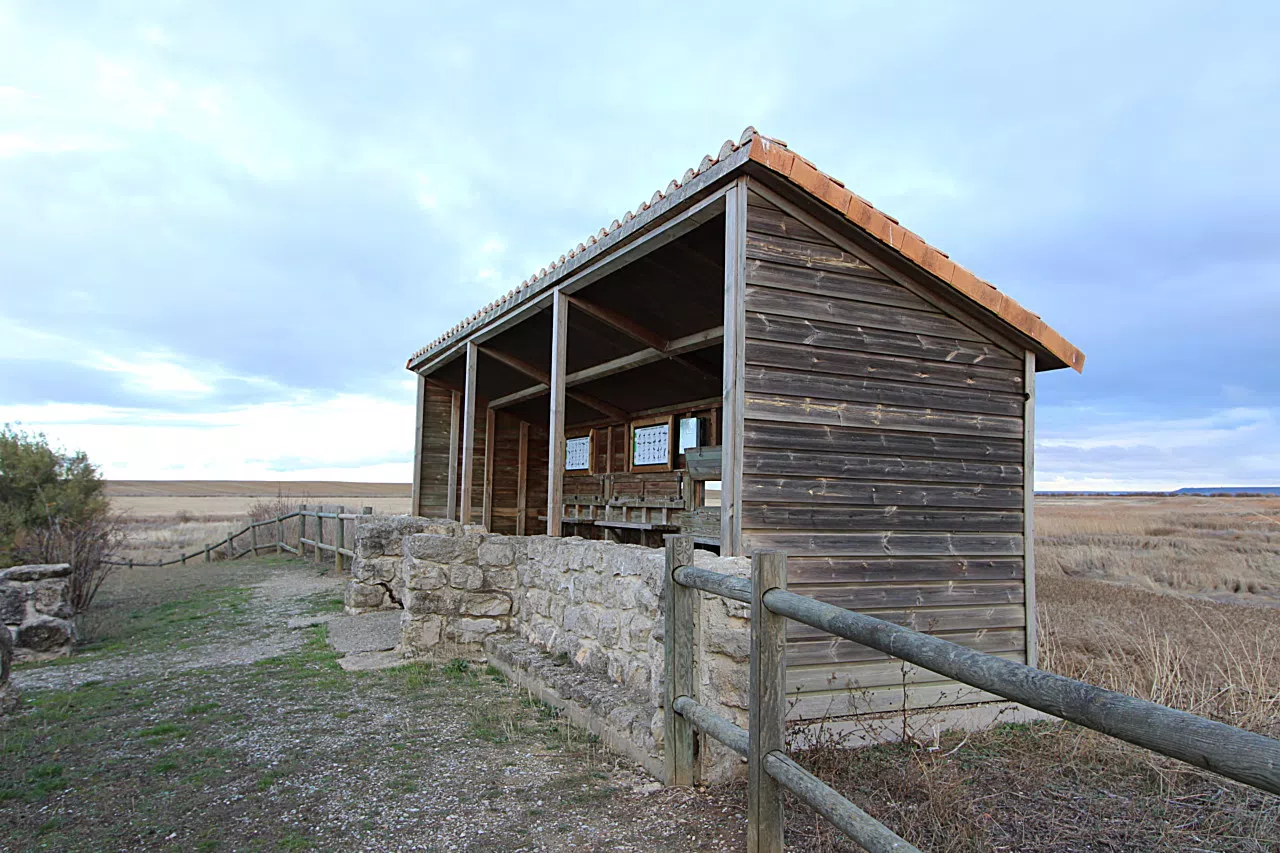
Natural resources from north to south
For nature lovers, Palencia in its entirety offers a high number of natural resources with the exception of marine ones. Mountains, lakes and lagoons, reservoirs, rivers, caves, fauna and botany, as well as landscapes that are hard to find in the rest of Spain.
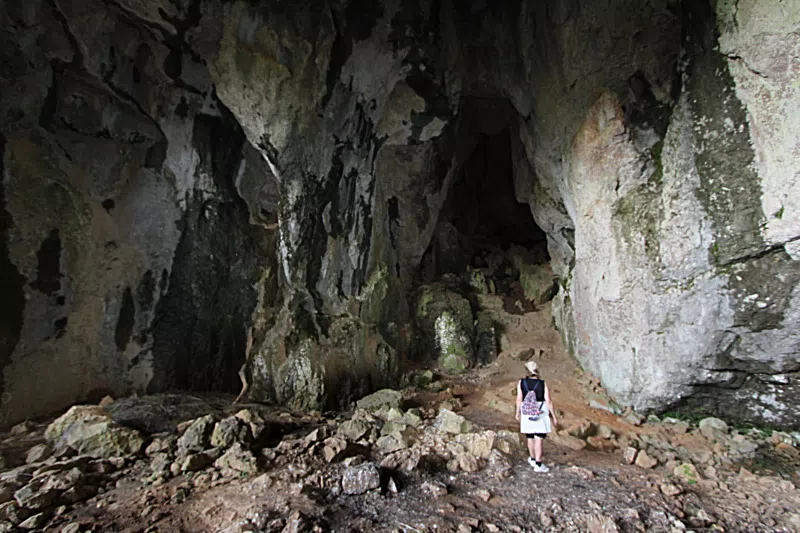
Caves
- Cave of Water
- Cave of the French
- Cave of Agudín
- Copper Cave
- Heart Cave
- Gloves Cave
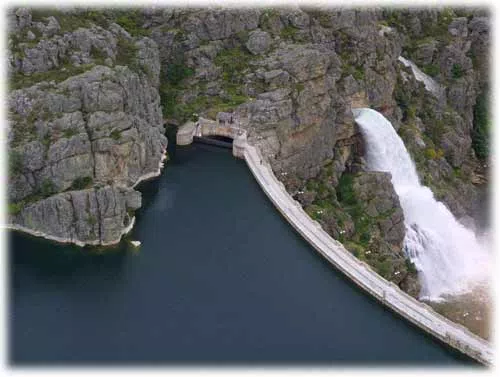
Swamps
- Aguilar de Campoo Reservoir
- Requejada Reservoir
- Villafría (Villalbeto) Reservoir
- Ruesga Reservoir
- Camporredondo Reservoir
- Compuerto Reservoir
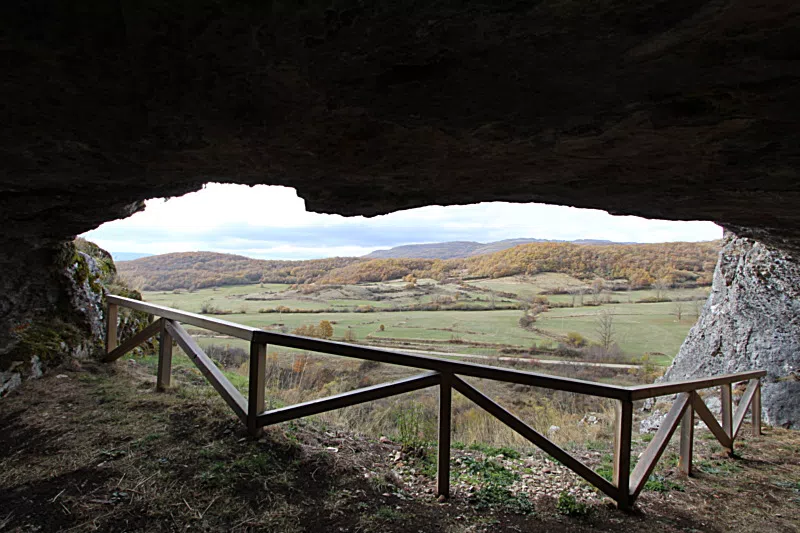
Viewpoints
- Mirador de Las Lomas
- Mirador Alto de La Varga
- Mirador Las Matas
- Mirador Virgen de La Peña
- Mirador de Covalagua
- Mirador de Alba de los Cardaños
- Mirador de la Casa Pequeña
- Mirador del Golobar
- Mirador del Cristo del Otero
- Mirador de Autilla del Pino
- Mirador de Valcabado
- Mirador de Piedrasluengas
- Mirador de Mazariegos
- Mirador Vega de Saldaña
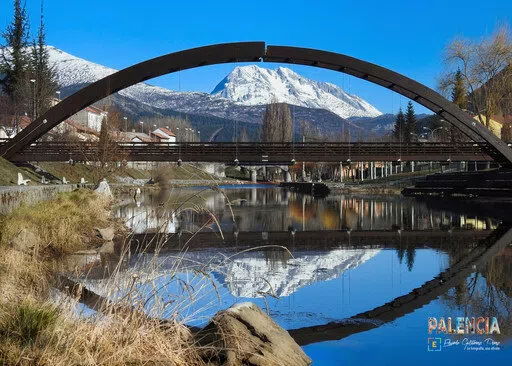
Palentina Mountain Natural Park
- Natural Park
- What to see
- What to do
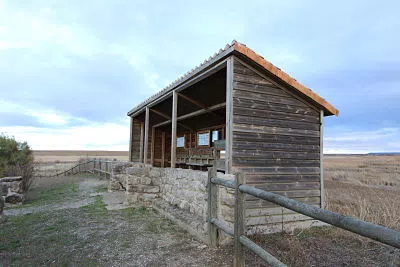
Palentina Mountain Natural Park
Of course! Palencia is rich in lagoons and wetlands, especially in the Tierra de Campos area. Here are some of the most important ones:
Laguna de la Nava de Fuentes:
Considered one of the most important wetlands on the Iberian Peninsula.
It was drained in the 20th century but has been partially restored in recent decades.
Hosts a great diversity of water birds, such as ducks, teals, coots, and herons.
Features observatories and trails to enjoy nature.
Laguna de la Nava de Fuentes, Palencia
Laguna de Boada:
Restored in 1998, it is another important lagoon in the area.
Ideal for bird watching, especially during migration season.
Offers a peaceful and serene landscape, perfect for nature lovers.
Laguna de Boada, Palencia
Other wetlands:
Lagunas de Villafáfila: Although located in the province of Zamora, they border Palencia and form an important lagoon complex.
Lagunas de Villafáfila, Zamora
Humedal de la Nava - Campos Norte: A special protection area for birds (SPA), with great ecological value.
Embalse de Aguilar de Campoo: Although it is an artificial reservoir, it hosts a wide variety of water birds.
Embalse de Aguilar de Campoo, Palencia
Recommendations:
I recommend visiting the Nature Interpretation Center of the Laguna de la Nava in Fuentes de Nava to get more information about the area.
The best time to visit the lagoons is in spring and autumn, during bird migration.
Don't forget to bring binoculars for bird watching.
Respect the natural environment and do not leave trash behind.