
Palentina Mountain Natural Park
The Montaña Palentina Natural Park is a protected natural area located in the north of the province of Palencia, in the autonomous community of Castilla y León, Spain.
Montaña Palentina Natural Park
Main Features:
- Area: It covers an area of approximately 80,000 hectares.
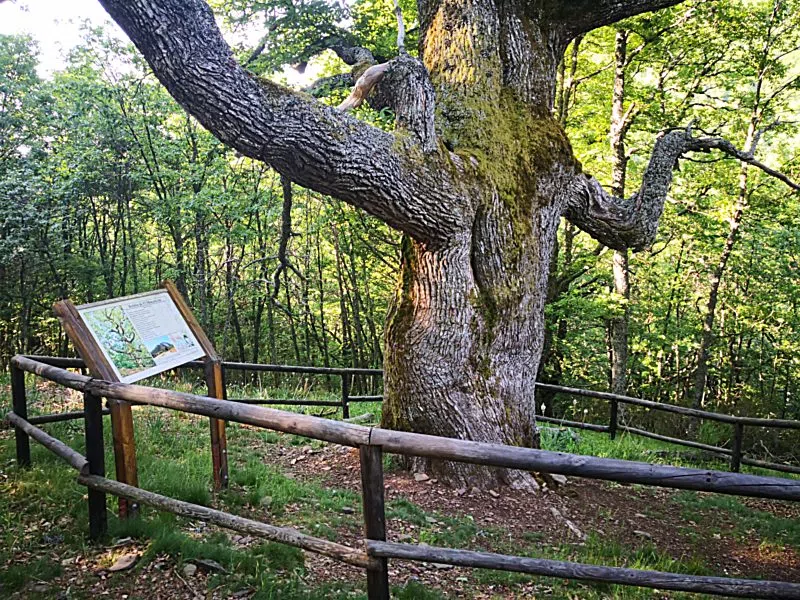
- Diversity of Habitats: The park hosts a wide variety of ecosystems, from high peaks exceeding 2,400 meters in altitude to deep valleys, beech, oak, holm oak, and juniper forests, as well as alpine meadows and rocky areas.
- Rich Wildlife: It is home to a great diversity of animal species, including the Cantabrian brown bear, the Iberian wolf, the Cantabrian capercaillie, the golden eagle, and the griffon vulture.
- Unique Flora: The park boasts a rich and varied flora, with endemic species such as the Cantabrian artemisia and Echium cantabricum.
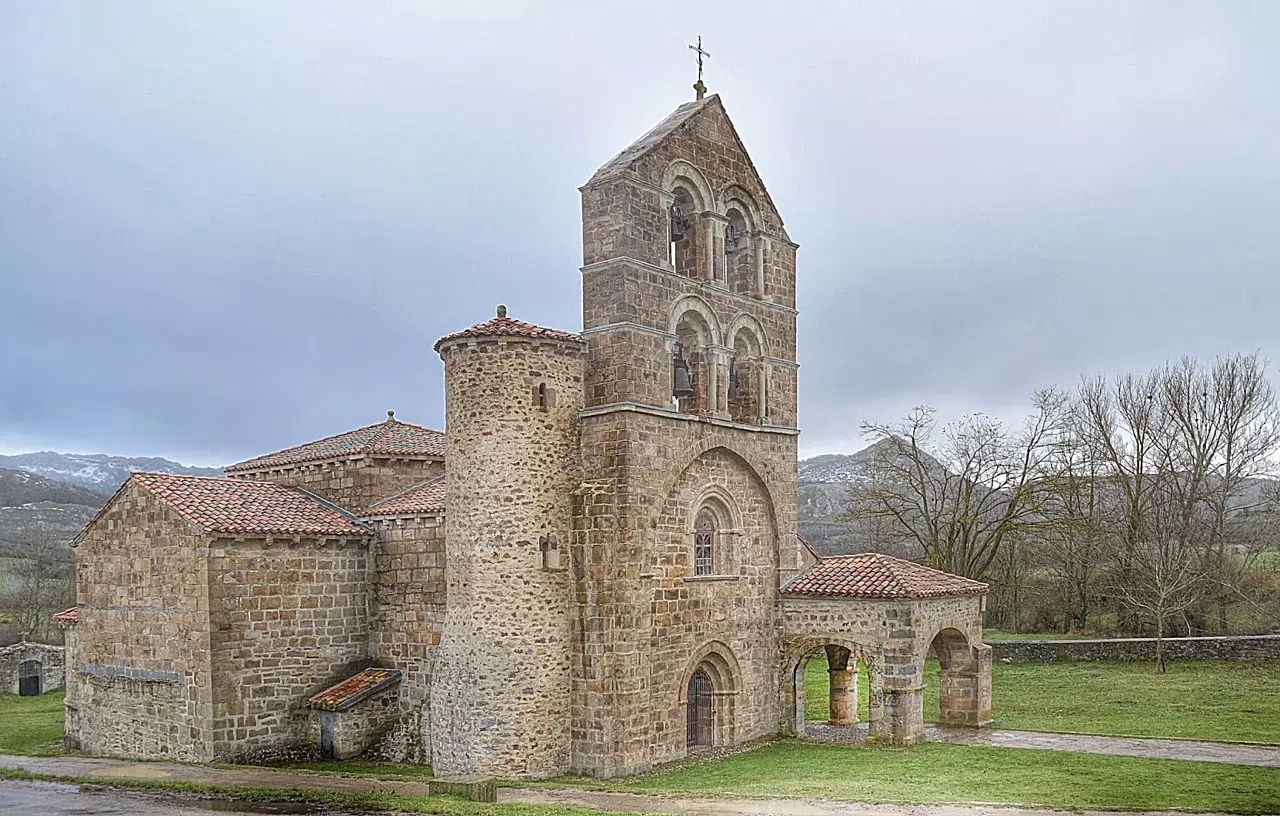
- Cultural Heritage: The park contains numerous archaeological remains, such as hillforts and hermitages, which testify to human presence in the area since ancient times.
- Activities: The park offers a wide range of opportunities to enjoy nature, such as hiking, mountaineering, climbing, wildlife and flora observation, horseback riding, and cycling routes, among others.
Places of Interest:
- Pico Curavacas: The highest peak in the park, with an altitude of 2,524 meters.
- Pico Espigüete: Another emblematic peak of the park, with an altitude of 2,450 meters.
- Tejeda de Tosande: One of the oldest yew groves in Europe, with specimens over 1,000 years old.
- Covalagua Waterfall: An impressive waterfall dropping from a height of 20 meters.
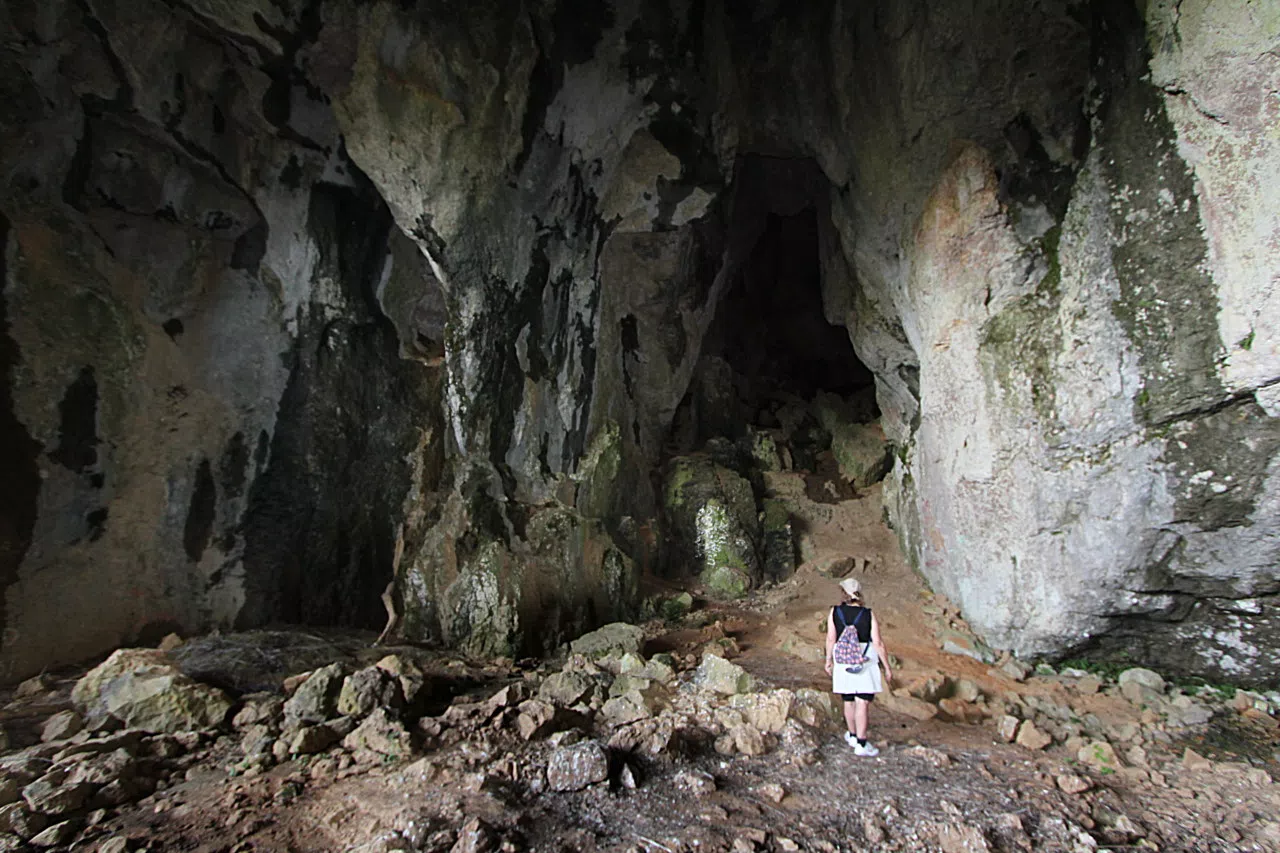
- Cueva de los Franceses: A cave with stunning geological formations.
The Montaña Palentina Natural Park is an ideal place for nature lovers and rural tourism. It offers a unique experience in an environment of great beauty and ecological value.
Palentine Mountain
The Wealth of the Landscape
We can enjoy it on various routes and from different viewpoints. Alongside the wonders of nature, we can see monuments erected by man, as this area has a high concentration of Romanesque buildings. The rich Palentine gastronomy, along with the possibility of engaging in different water sports, hiking routes, horseback riding, or walking, are among the many attractions that will make you return to the province of Palencia.
Fuentes Carrionas
On the route through Fuentes Carrionas, you will encounter the highest peaks of the Palentine Mountain. This area is named after the Carrión River, which originates in the Fuentes Carrionas Lagoon. The abundant water of this river is complemented by the reservoirs of Camporredondo and Compuerto. The richness of oak and beech forests, areas of excellent pastures, and the quantity and quality of fishing and hunting are assured in these surroundings.