Way of St. James. Forgotten Way.
The Way of St. James as it passes through Palencia
The Camino de Santiago as it passes through Palencia is a significant section of the French Way, the most popular and internationally recognized route. This path crosses the province of Palencia from east to west, covering approximately 70 kilometers, and is characterized as one of the flattest sections, ideal for reflection and contemplation. There is no route of the Camino de Santiago that passes directly through the capital, Palencia city.** The French Way runs through the province, mainly through the Tierra de Campos region, connecting rural towns with a rich cultural and historical heritage. Notable towns and stages of the French Way in Palencia: The journey through Palencia begins by crossing the Pisuerga River via the Fitero Bridge, which marks the boundary between the provinces of Burgos and Palencia. The main towns along the Camino are: Itero de la Vega: The first town in Palencia, where you can see its jurisdictional roll and the 16th-century Church of San Pedro. Boadilla del Camino:** Known for its church and a large 15th-century Gothic jurisdictional roll.
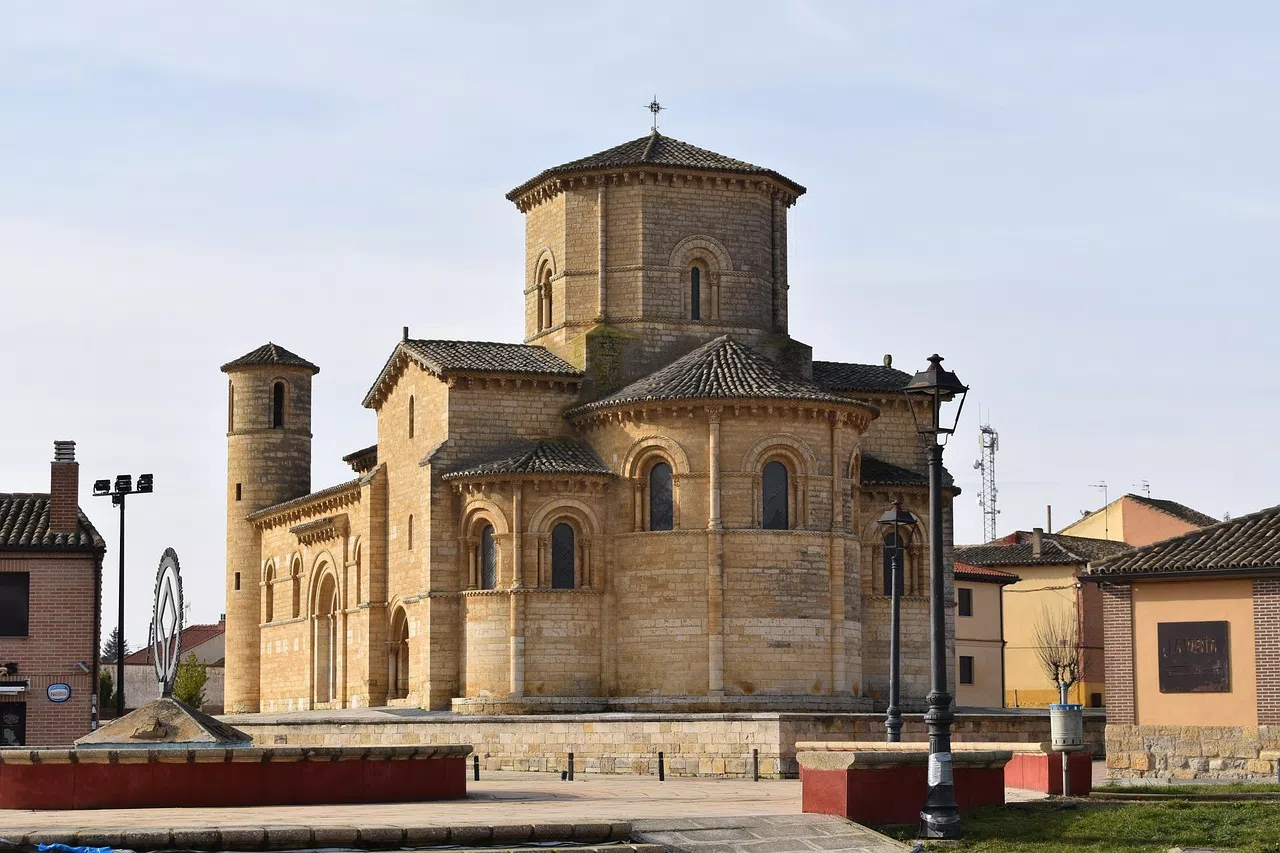
Frómista: Considered an important enclave of the Camino de Santiago and a starting point to explore the Canal de Castilla. Its Romanesque jewel is the Church of San Martín de Tours, one of the most well-known buildings of Spanish Romanesque architecture. You can also visit the Church of San Pedro and the Vestigia Museum (Church of Santa María del Castillo).
Población de Campos: Featuring the Baroque Church of La Magdalena and the interesting late-Romanesque hermitages of Virgen del Socorro and San Miguel. Revenga de Campos: With emblazoned houses and the Church of San Lorenzo. Villarmentero de Campos and Villovieco. Villalcázar de Sirga: Famous for the Church of Santa María la Blanca, a former 13th-century Templar Commandery. Carrión de los Condes: A neuralgic point of the Camino in Palencia, with significant heritage. Here you will find the Church of Santiago (with a sacred art museum), the Church of Santa María del Camino (12th-century Romanesque), and the Monastery of San Zoilo, among others.
Calzadilla de la Cueza: Connects with the N-120. Ledigos. Terradillos de los Templarios. Moratinos: Known for its underground cellars. San Nicolás del Real Camino: Marks the end of the Palencia section of the French Way, before entering the province of León. Romanesque Heritage on the Camino: The province of Palencia is especially rich in Romanesque art along the Camino. In addition to the churches mentioned in Frómista and Carrión de los Condes, there are numerous churches and hermitages that reflect the devotion and art of the region, highlighting the purity of architectural lines and the richness of sculpture. For pilgrims, the Camino de Santiago in Palencia offers an experience of tranquility, landscapes of the plateau with wide horizons, and a rich cultural and historical heritage.