
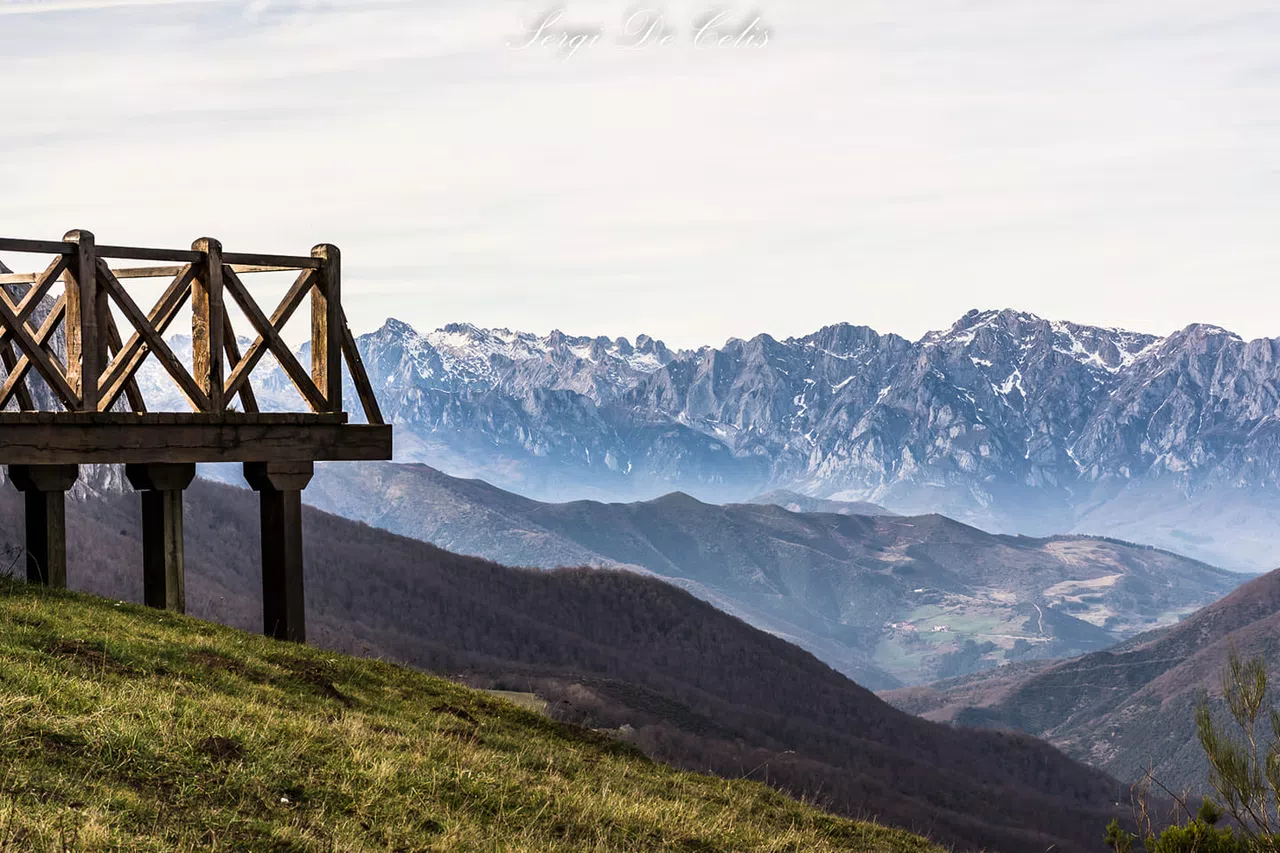
Mirador de Piedrasluengas

Dream...

Ideal places to rest
Art, pure nature, and unique places.
The province of Palencia is distinguished by the richness and diversity of its natural surroundings, its impressive religious art, its museums and artisanal traditions, as well as the uniqueness of its buildings and places of interest. If you have a preconceived idea of the province of Palencia and have never visited, you must visit us on your next vacation.
Nature
Nature and Landscapes
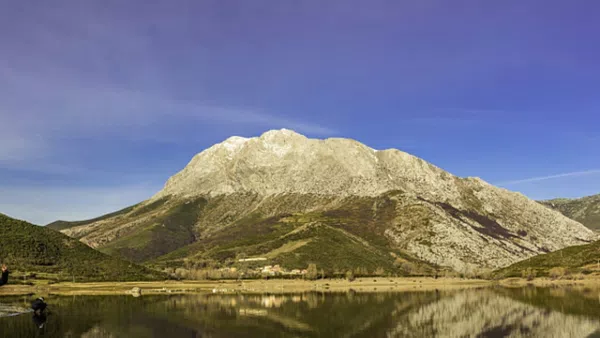
Palencia offers a varied landscape that ranges from the golden plains of Tierra de Campos to the majestic mountains of the Montaña Palentina, where the Montaña Palentina Natural Park is located. This area, characterized by its beech and oak forests, is home to a rich fauna that includes brown bears, Iberian wolves, and golden eagles. Additionally, the Canal de Castilla, one of the most important hydraulic engineering works in Spain, crosses the province, offering routes for hiking and cycling.
Palencia offers a varied landscape that ranges from the golden plains of Tierra de Campos to the majestic mountains of the Montaña Palentina, where the Montaña Palentina Natural Park is located. This area, characterized by its beech and oak forests, is home to a rich fauna that includes brown bears, Iberian wolves, and golden eagles. Additionally, the Canal de Castilla, one of the most important hydraulic engineering works in Spain, crosses the province, offering routes for hiking and cycling.
Religious
Religious Art
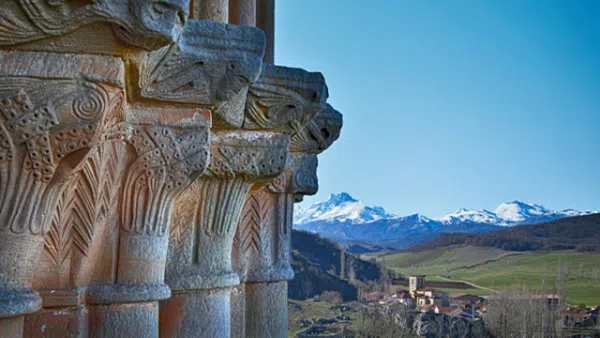
The province of Palencia is a true open-air museum of sacred art. The Cathedral of San Antolín, known as the "Beautiful Unknown," stands out, combining Romanesque, Gothic, and Renaissance styles. The Romanesque art in Palencia is particularly notable, with a high concentration of churches and monasteries in towns like Frómista, where the Church of San Martín is located, a gem of European Romanesque architecture. Also noteworthy are the Monastery of Santa María la Real in Aguilar de Campoo and the Collegiate Church of San Miguel in Ampudia.
The province of Palencia is a true open-air museum of sacred art. The Cathedral of San Antolín, known as the "Beautiful Unknown," stands out, combining Romanesque, Gothic, and Renaissance styles. The Romanesque art in Palencia is particularly notable, with a high concentration of churches and monasteries in towns like Frómista, where the Church of San Martín is located, a gem of European Romanesque architecture. Also noteworthy are the Monastery of Santa María la Real in Aguilar de Campoo and the Collegiate Church of San Miguel in Ampudia.
Museums
Museums and Crafts
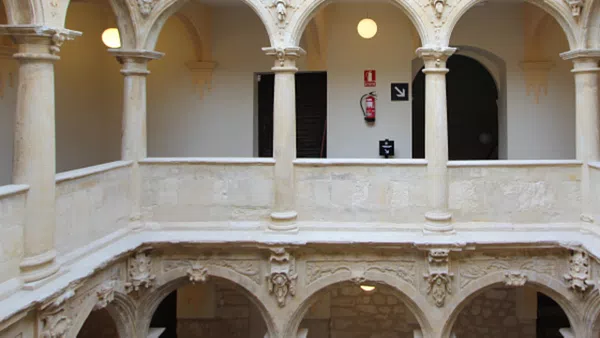
The museums of Palencia offer a window into its history and traditions. The Diocesan Museum preserves a valuable collection of sacred art, while the Palencia Museum displays archaeological remains from the Roman and medieval periods. Palencian craftsmanship remains alive in woodwork, ceramics, and textiles, with special significance in carpet making in the town of Villamuriel de Cerrato.
The museums of Palencia offer a window into its history and traditions. The Diocesan Museum preserves a valuable collection of sacred art, while the Palencia Museum displays archaeological remains from the Roman and medieval periods. Palencian craftsmanship remains alive in woodwork, ceramics, and textiles, with special significance in carpet making in the town of Villamuriel de Cerrato.
Unique buildings
Different Places and Unique Buildings
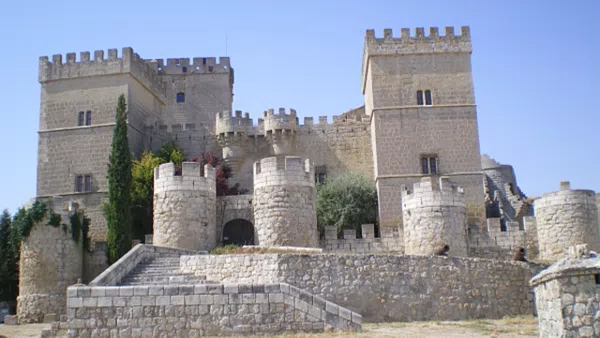
Palencia surprises with unique spaces, such as the Roman Villa of La Olmeda, an archaeological site with highly valuable mosaics. Additionally, the Cave of the French, in Revilla de Pomar, offers an underground geological spectacle. Among its unique buildings, the Cristo del Otero, one of the tallest sculptures of Christ in the world, overlooks the Palencia capital from a hill.
With its balance of nature, art, history, and tradition, the province of Palencia is a destination that captivates those seeking beauty and authenticity.